





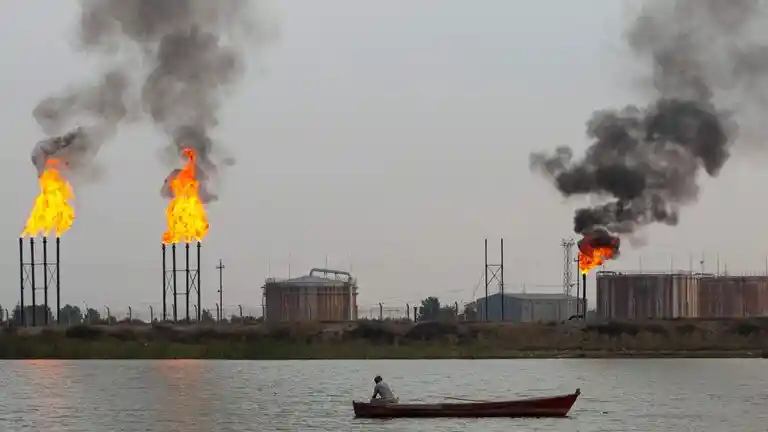



The World Health Organization (WHO) has warned that global efforts to reduce air pollution are losing momentum, despite years of progress in improving air quality across many regions.
According to health experts, air pollution continues to be one of the world’s leading environmental health risks, contributing to millions of premature deaths every year. While several countries have introduced stricter emissions standards and invested in renewable energy, overall improvements have slowed, especially in rapidly urbanizing and industrializing regions.
The organization emphasized that cleaner transportation, expanded public transit, increased use of renewable energy, and stronger industrial emission standards remain critical to protecting public health.
Experts also noted that climate change and air pollution are closely connected. Wildfires, rising temperatures, and prolonged heatwaves can significantly worsen air quality, increasing respiratory illnesses and cardiovascular diseases.
Governments are being encouraged to accelerate investments in clean energy infrastructure and strengthen environmental regulations to ensure healthier cities and reduce long-term healthcare costs.
Key Highlights
Climate change continues to worsen pollution-related health risks.
Global improvements in air quality have slowed.
Air pollution remains among the leading environmental causes of death.
WHO urges countries to strengthen clean energy and emission reduction policies.