








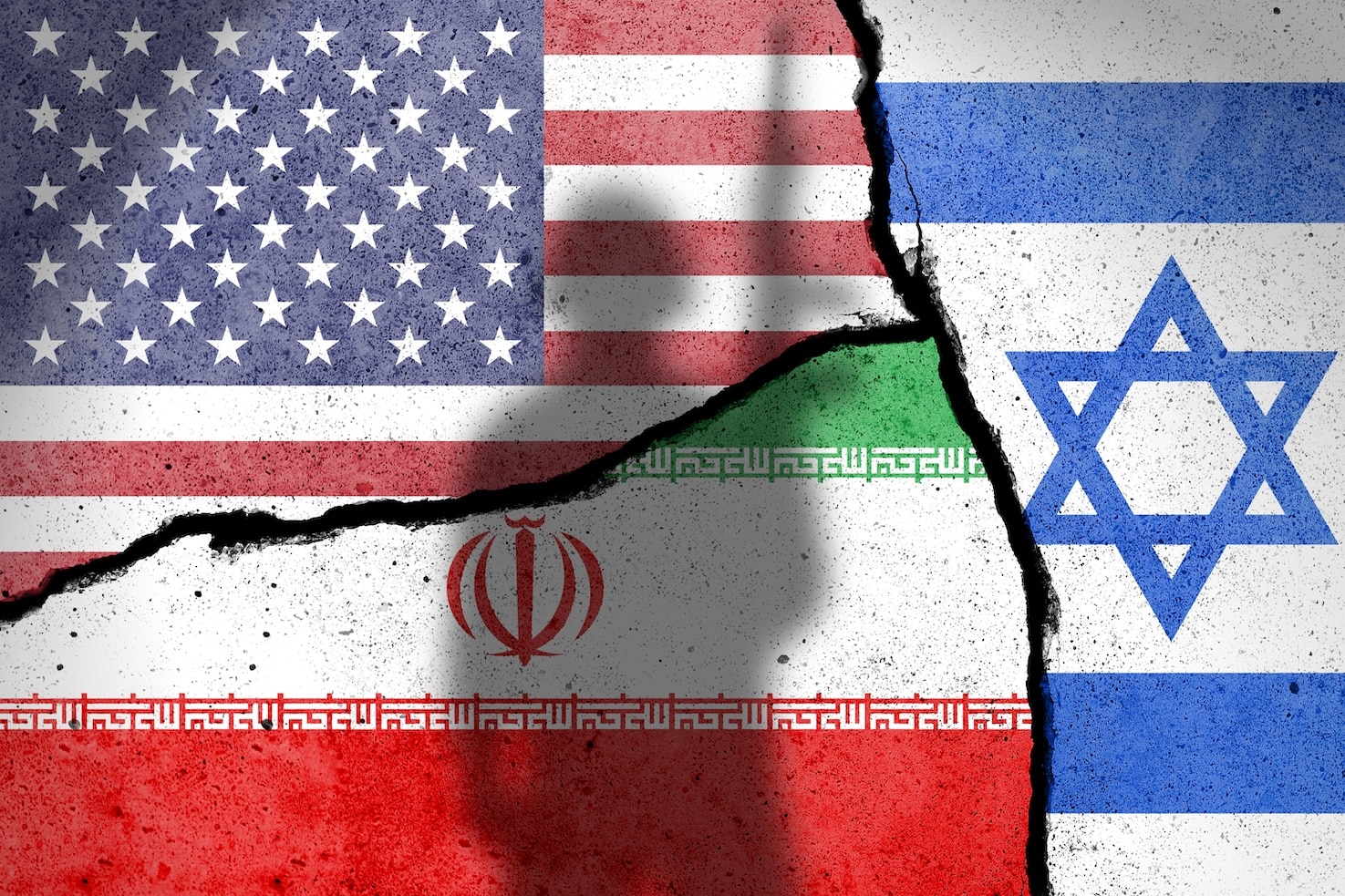



LONDON — The Financial Times has sounded a definitive alarm this morning, reporting that the conflict in the Middle East has officially moved beyond a contained skirmish. What was once a “shadow war” between Israel and Iran has now mutated into a multi-front regional conflagration, threatening to pull the world’s largest economies into its orbit. FT quoted Israeli-Iranian conflict spreads into Lebanon and Cyprus, with rising casualties and market disruptions.
The “Widening War” Scenario
According to the FT analysis, the conflict is no longer confined to the borders of Israel and Iran.
- The Northern Front: Heavy engagement between Israeli forces and Hezbollah in Lebanon has intensified, creating a “scorched earth” zone that has displaced hundreds of thousands.
- The Red Sea Chokehold: Houthi rebels in Yemen have stepped up attacks on commercial shipping, effectively closing the Suez Canal route to all but the most heavily armed naval convoys.
- The Proxy Network: From Iraq to Syria, militia groups have begun coordinated strikes on Western assets, marking a “total mobilization” of the so-called Axis of Resistance.
Global Markets: The “Flight to Safety”
The Financial Times highlights a “systemic shudder” through global exchanges. The narrative in boardrooms from London to New York is no longer about if the war will impact growth, but how much damage has already been done.
- Equities in Retreat: Major indices, including the S&P 500 and the FTSE 100, opened sharply lower as investors dumped stocks in favor of “safe havens” like Gold and the US Dollar.
- The Debt Crisis: For emerging markets, the cost of borrowing is skyrocketing. The FT warns that if the war persists, several debt-heavy nations may face a liquidity crunch as energy costs eat into their national reserves.
The “Double Shock” to Global Trade
Economists interviewed by the FT suggest we are witnessing a “perfect storm.”
- Energy Prices: With the Strait of Hormuz under threat, the “energy tax” on global manufacturing is rising daily.
- Supply Chain Fracture: The detour around the Cape of Good Hope is adding 10–14 days to shipping times, delaying everything from semiconductors to seasonal clothing.
The FN24 View: The Financial Times report confirms what many feared: the diplomatic “guardrails” have failed. We are no longer looking at a localized humanitarian crisis, but a structural shift in the global order. If the “widening war” continues, the era of low inflation and open trade routes may be a relic of the past.