









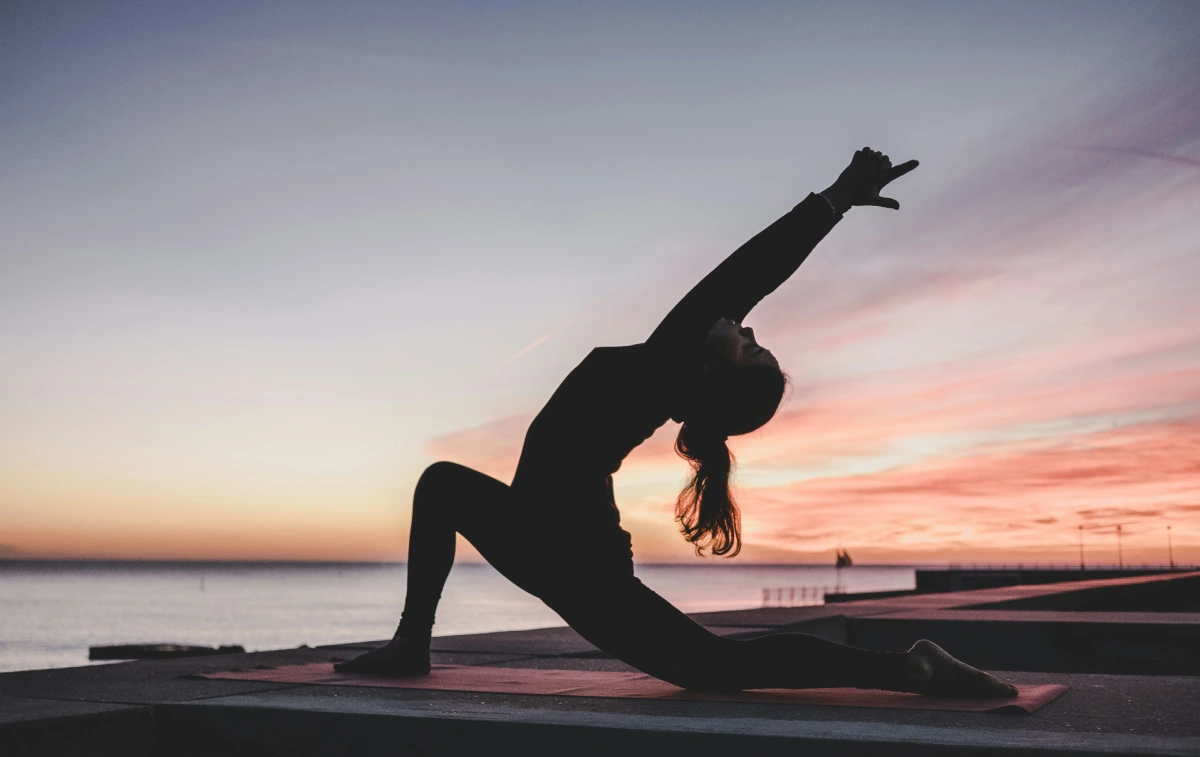
LONDON — In an era increasingly defined by geopolitical friction and a burgeoning mental health crisis, a centuries-old practice is being reimagined as a modern diplomatic tool. The “Global Push for Yoga” has evolved; no longer just a fitness trend found in boutique studios, yoga is being institutionalized by world leaders and international bodies as a formal pillar of peacebuilding and holistic wellness.
From Ancient Roots to the United Nations
The shift began in earnest in 2014 when the United Nations General Assembly declared June 21st as the International Day of Yoga. However, 2026 marks a turning point where the practice has moved from “celebration” to “policy.”
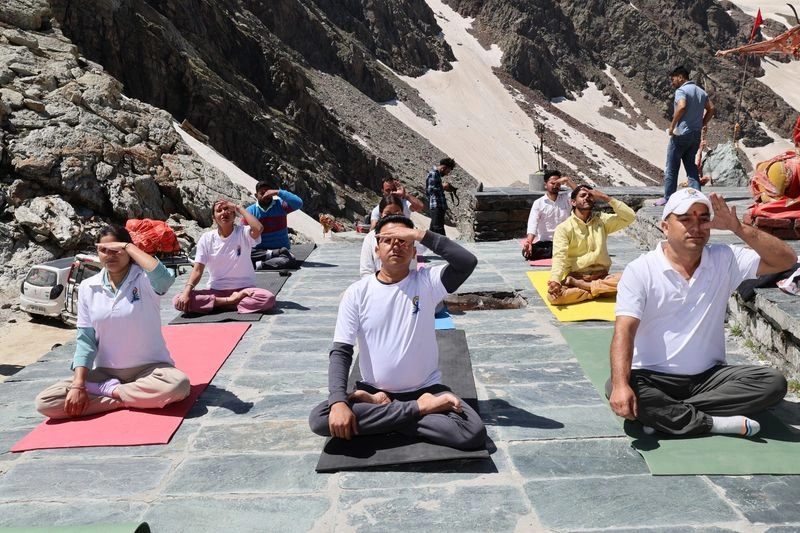
Governments are now integrating yoga into:
- Public Health Frameworks: To combat the $1 trillion annual global cost of depression and anxiety.
- Conflict Resolution: Utilizing mindfulness techniques in humanitarian zones to address “intergenerational trauma.”
- Diplomatic Missions: “Yoga Diplomacy” is being used to foster cultural exchange between nations with strained political ties.
“Yoga does not just change the way we see the world; it transforms the person who sees.” — Commonly cited at the World Economic Forum on Mental Health.
The Science of Stillness
The global push is backed by more than just philosophy. Large-scale clinical studies are providing the “hard data” required for government funding. The focus has moved to how yoga affects the nervous system to promote social cohesion.
| Benefit Category | Mechanism | Impact on Peace |
| Neurological | Regulation of the Vagus Nerve | Reduces reactive aggression and “fight or flight” responses. |
| Psychological | Mindfulness-Based Stress Reduction (MBSR) | Increases empathy and emotional intelligence in leadership. |
| Social | Community Practice (Sangha) | Breaks down socioeconomic and racial barriers through shared breath. |
Yoga in High-Stress Zones
Perhaps the most significant development is the deployment of yoga in non-traditional environments. The Yoga for Peace Initiative has seen instructors sent to refugee camps in the Middle East and post-conflict zones in Sub-Saharan Africa. The goal is to provide individuals with internal tools for stability when their external environment is in chaos.
The “Wellness Economy” as a Catalyst
The global wellness economy is projected to reach $8.5 trillion by 2027. This financial heavyweight status has forced policymakers to take yoga seriously. By positioning yoga as a preventative healthcare measure, nations are aiming to reduce the long-term burden on state-funded medical systems.
The BBC Perspective: A Word of Caution
While the momentum is undeniable, critics warn against “McYoga”—the commercialization that strips the practice of its ethical foundations (Yamas and Niyamas). For yoga to truly function as a peace practice, experts argue it must remain rooted in its core values of non-violence (Ahinsa) and truthfulness (Satya).