






“Zero Restraint”: Iran Ignites Gulf LNG Hubs as Israel Strikes Deep into Northern Territories
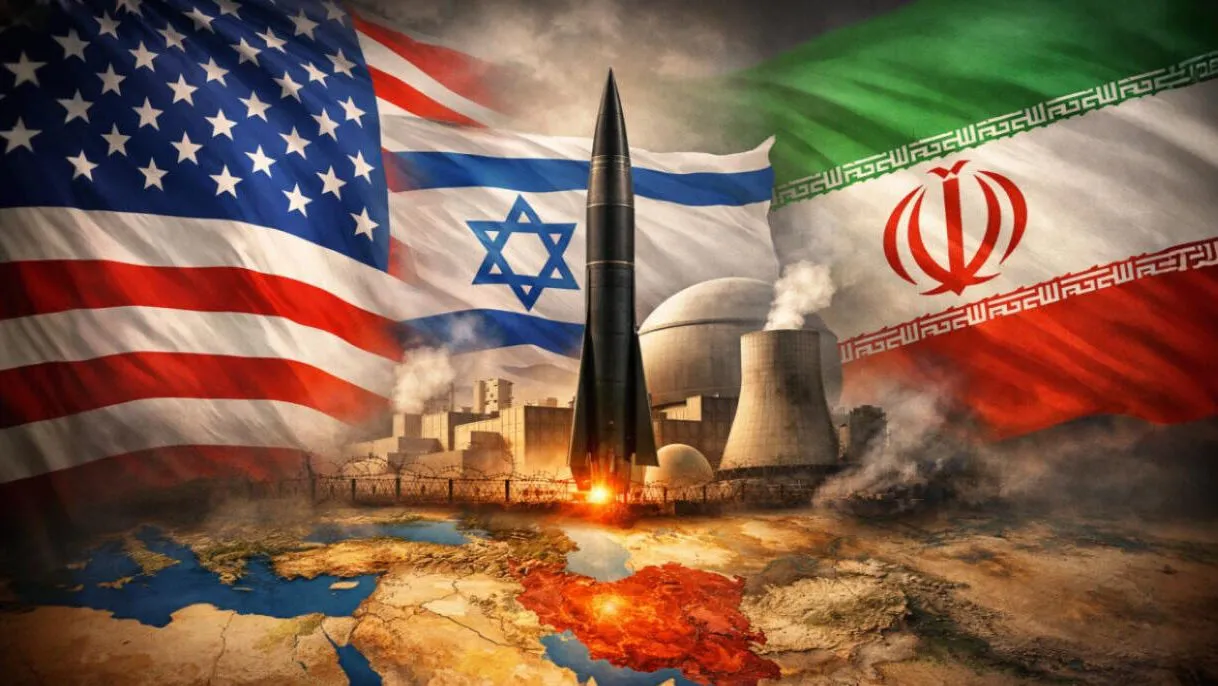
TEHRAN / DOHA / TEL AVIV — The war between the United States, Israel, and Iran has escalated to its most dangerous level since the February 28 assassination of the Supreme Leader. Following a coordinated US-Israeli strike on Iran’s South Pars gas field yesterday, Tehran has retaliated by targeting the world’s most critical energy infrastructure in neighboring countries.
1. The “South Pars” Spark and the Qatar Strike
The conflict took a dramatic turn on Wednesday when Israeli jets, coordinated with the US, struck the South Pars/Asaluyeh gas hub in Bushehr Province.
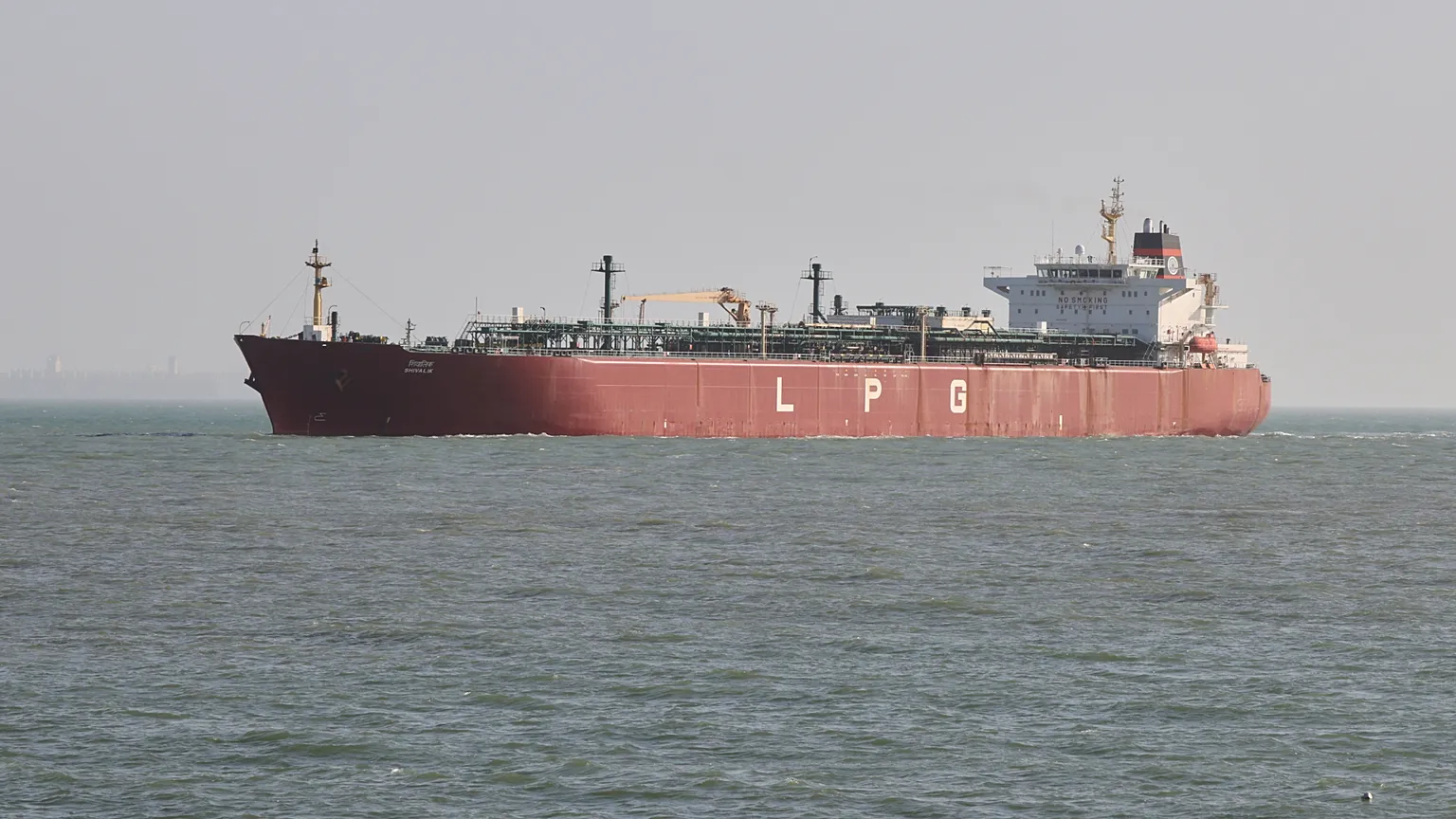
- The Counter-Strike: Early this morning, Iran launched a massive missile barrage at Ras Laffan Industrial City in Qatar.
- The Impact: QatarEnergy confirms that strikes have wiped out 17% of Qatar’s LNG export capacity. CEO Saad al-Kaabi warned that repairs to the world’s largest LNG plant could take 3 to 5 years.
- Global Energy Shock: Natural gas prices in Europe jumped 24% today, while Brent crude oil has surged to $116 per barrel.
2. Operation “Roaring Lion”: Israel Expands to the North
For the first time in the 20-day conflict, Israel has expanded its aerial campaign to the Caspian Sea region in northern Iran.
- Naval Targets: The Israeli Air Force (IAF) reported striking Iranian navy vessels at the port city of Bandar Anzali.
- Decapitation Campaign: Following the death of Supreme Leader Ali Khamenei on Day 1, Israel confirmed today it has killed two more high-ranking officials: Ali Larijani (Security Chief) and Esmail Khatib (Intelligence Minister).
- Internal Chaos: Reports from the Ground indicate that Iranian security forces are now sleeping in vehicles and mosques to avoid targeted strikes on their headquarters.
3. The Hormuz Blockade & Global Response
The Strait of Hormuz is now effectively a “dead zone” for commercial shipping.
- The “Safe Passage” Alliance: A coalition of six powers—Britain, France, Germany, Japan, Italy, and the Netherlands—announced today they are preparing “appropriate efforts” to ensure safe passage through the strait.
- The Pentagon’s Request: In Washington, the Pentagon has requested an additional $200 billion in emergency funding for the war, stating there is “no definitive time frame” for the conflict’s conclusion.
- Trump’s Warning: President Trump posted on Truth Social that while the US wants to avoid further strikes on Iranian gas fields, any future Iranian attack on Qatar would trigger a “massive US response” against Iran’s remaining infrastructure.
Casualty and Displacement Update (Cumulative)
| Location | Deaths (Est.) | Injuries | Key Impact |
| Iran | 6,000+ (Military) / 1,400+ (Civilian) | 15,000+ | 1/5th of gas capacity destroyed. |
| Israel | 22 | 3,924 | Major intercepts over Tel Aviv today. |
| Lebanon | 968 | 2,432 | Sustained IAF strikes in the south. |
| UAE/Qatar | 8 | 157 | Major fires at Ras Laffan and Habshan. |
FN24 Analysis: The war has shifted from a “regime change” operation to a systemic destruction of energy lifelines. By attacking Qatar—a neutral “brotherly Muslim country”—Iran has signaled that it is willing to burn the entire region’s economy to force a US withdrawal. With the UN calling for an immediate ceasefire, the world is holding its breath as the $120 oil mark looms.