







Day 13: Iran Threatens “War of Attrition” as Strait of Hormuz Remains Blocked
TEHRAN / WASHINGTON — As of Thursday, March 12, 2026, the conflict sparked by the February 28 assassination of Supreme Leader Ali Khamenei has entered a “catastrophic” new phase. The “limited strikes” of the first week have evolved into a multi-front regional war that is systematically dismantling global energy and humanitarian systems.
1. The Military Escalation: No Sign of De-escalation
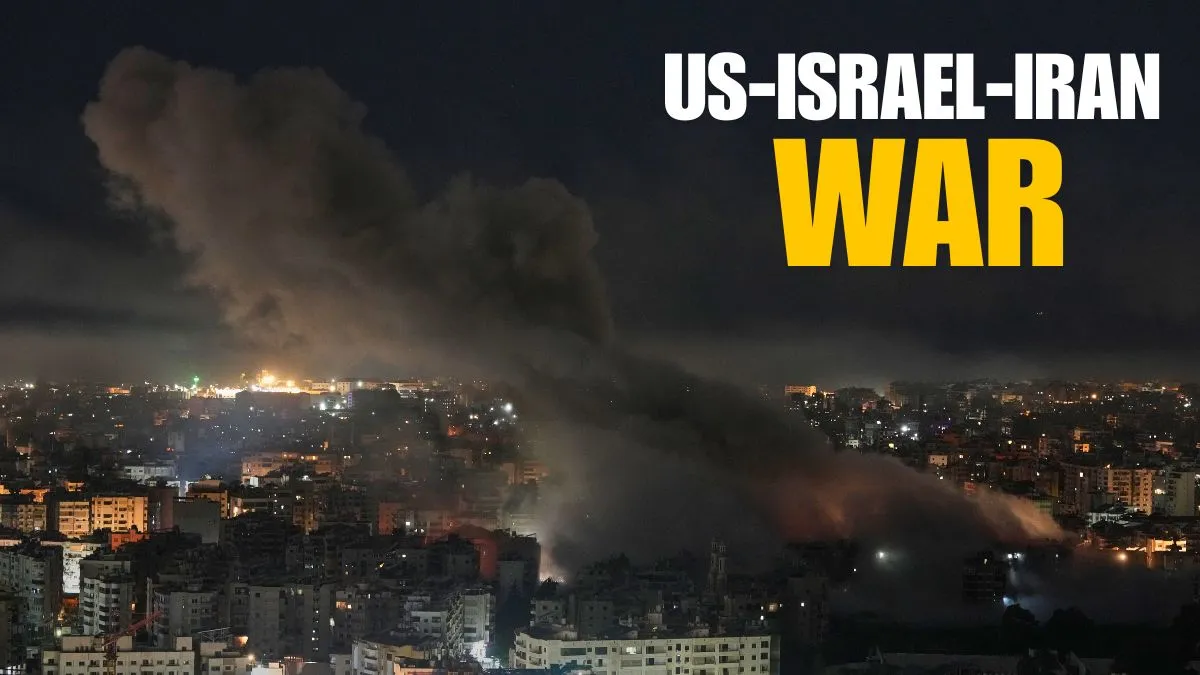
- The “Integrated” Attack: In the early hours of March 12, Iran’s Revolutionary Guard (IRGC) and Hezbollah launched a massive coordinated missile and drone operation against Israel. Blasts were reported over Jerusalem, with Israeli air defenses actively intercepting threats.
- Israel’s Counter-Offensive: The IDF has responded with a “wide-scale wave” of strikes targeting Tehran and southern Lebanon. Security sources indicate that Israel is now targeting street-level security units and checkpoints in Tehran, moving the battlefield directly into urban neighborhood corridors.
- The New Leadership: Ayatollah Mojtaba Khamenei, the son of the late leader, has officially taken command. In his first public statement (read by a newscaster), he remained defiant, ordering that the Strait of Hormuz remain closed until “full revenge” is achieved.
2. Global Economic and Logistics Shock
The conflict has effectively “choked” the world’s most vital trade arteries:
Shipping Gridlock: Traffic through the Strait of Hormuz has collapsed from 140 ships per day to “only a handful,” with many vessels caught in the crossfire. A Thai-flagged carrier bound for India was recently hit, drawing a sharp condemnation from New Delhi.
The $100 Barrel: Oil prices have surged back above $100 per barrel following Iranian drone strikes on fuel storage facilities in Bahrain and tankers in the Gulf of Oman.
The Strategic Reserve Release: In a desperate bid to stabilize markets, the International Energy Agency (IEA) has authorized a record release of 400 million barrels of crude oil, with the US contributing 172 million barrels.
3. The Humanitarian Crisis: 3.2 Million Displaced
The human cost is mounting at a pace that is overwhelming international aid agencies:
- Mass Displacement: The UNHCR reports that 3.2 million Iranians are now internally displaced, fleeing urban centers like Tehran for the northern rural regions.
- Health System Collapse: The WHO has verified 18 attacks on healthcare facilities in Iran and 25 in Lebanon. Medical supplies are currently backlogged in Dubai because of airspace restrictions.
- Targeting Errors: A US Tomahawk missile reportedly hit an Iranian school due to a “targeting error,” killing 168 people, primarily schoolgirls—an incident now under intense scrutiny by the US Senate.
FN24 Analysis: President Trump’s declaration that “we’ve won” appears premature. While Iran’s conventional navy has been severely degraded (over 50 vessels sunk), its asymmetric warfare—using low-cost drones to hit high-value economic targets in Dubai, Doha, and Manama—is proving that Tehran can still inflict massive “economic pain” on the world.
Impact Summary (As of March 12, 2026)
| Metric | Status | Impact |
| Crude Oil (Brent) | $100+ / bbl | Driving global inflation and fuel surcharges. |
| Strait of Hormuz | CLOSED | 20% of global oil flow halted. |
| Displacement | 3.2M (Iran) / 700k (Lebanon) | Largest refugee crisis since WWII. |
| Global Tourism | Loss of $600M / day | Major hubs (Dubai, Doha) seeing mass evacuations. |