








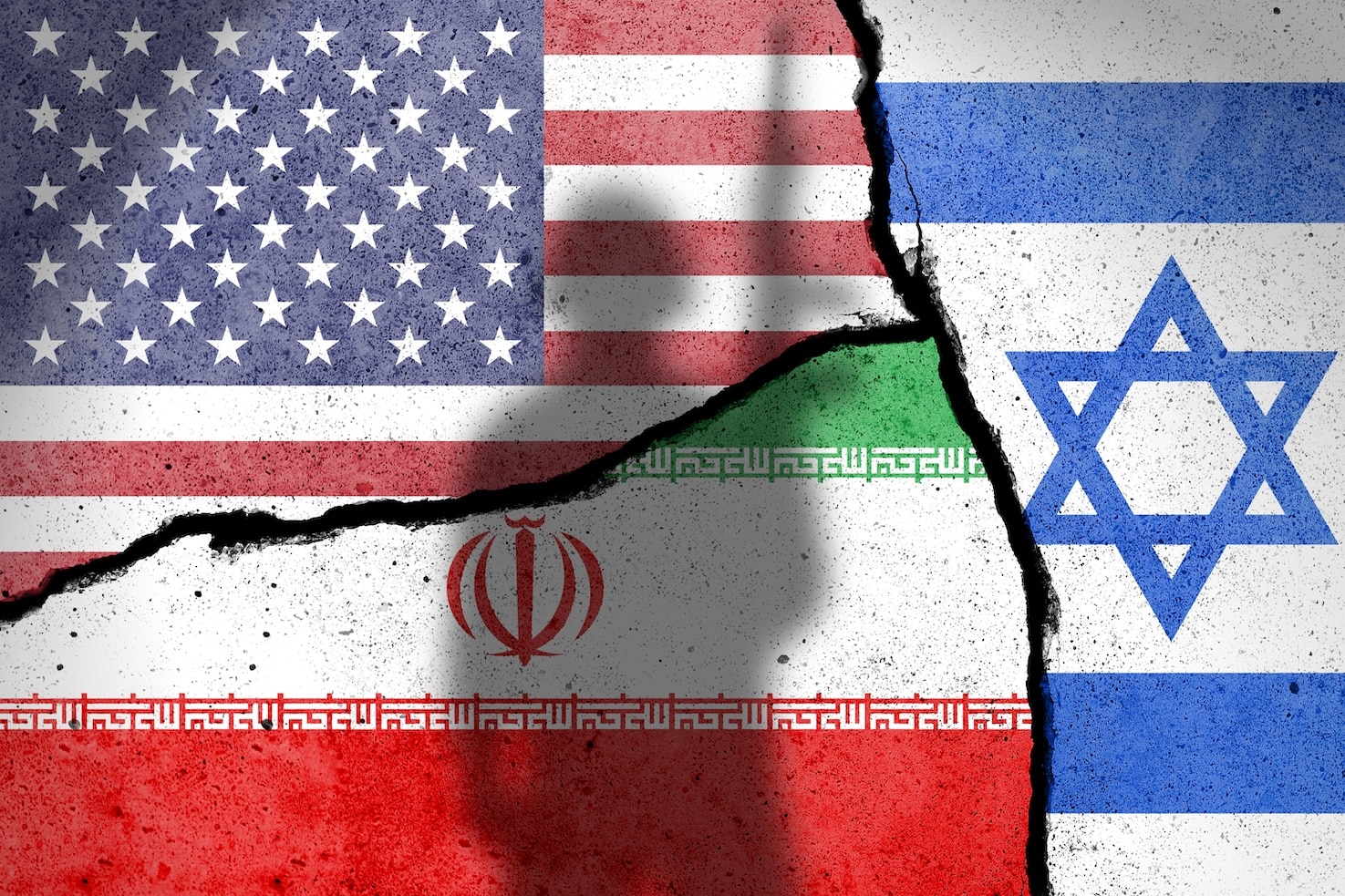



Brent Crude Surges 13% as Strait of Hormuz Grinds to a Standstill
LONDON / SINGAPORE — The global energy market is in a state of “unprecedented disruption” this Monday. Following the weekend’s military strikes in Iran, Brent crude—the global benchmark—gapped higher to hit a peak of $82.37 per barrel, a 14-month high. While prices have slightly retreated to around $79, the “fear premium” has firmly taken hold of the trading floor.
Why the Strait of Hormuz Matters
The current crisis centers on a narrow 21-mile stretch of water between Oman and Iran.
- The “Oil Jugular”: Approximately 20% of the world’s daily oil supply (roughly 15 million barrels) and 20% of global Liquefied Natural Gas (LNG) pass through this strait.
- The Halt: Within hours of the US-Israeli strikes, Iran’s Revolutionary Guards reportedly warned that “no ship would be allowed to pass.” Satellite data currently shows a massive “parking lot” of tankers at the mouth of the Gulf, wary of targeted drone attacks or unable to secure maritime insurance.
- Supply Shock: Major producers like Saudi Arabia, Iraq, and the UAE are effectively cut off from their primary export route to Asia and Europe.
The Consumer Impact: From Pump to Plate
The surge isn’t just a number on a screen; it is a direct threat to household budgets worldwide.
- Transport & Logistics: In the UK, petrol prices are forecast to rise by another 2p–5p per liter this week alone.
- Food Inflation: As shipping insurance costs skyrocket, the price of imported goods—from grains to electronics—is expected to follow the upward curve of the oil barrel.
- Aviation Chaos: Shares in major airlines like IAG (British Airways) and EasyJet have plummeted as fuel costs threaten to make current ticket pricing unsustainable.
Analyst’s View: “We are looking at a dual supply shock,” says Jorge Leon, head of geopolitical analysis at Rystad Energy. “Not only are current exports halted, but the ‘spare capacity’ that OPEC+ usually uses to stabilize the market is trapped behind the blockade. If the strait remains closed for more than three weeks, $100–$120 oil is no longer a ‘worst-case scenario’—it’s the baseline.”
FN24 Business Outlook
While OPEC+ members (including Saudi Arabia and Russia) have agreed to a modest production increase of 206,000 barrels per day to calm the markets, it remains a “paper fix.” Without a safe naval corridor through the Strait of Hormuz, the world faces its most significant energy test since the 1970s.