






From Fuel Rations to Four-Day Weeks: Asia Scrambles as Middle East Oil and Gas Vanish
NEW DELHI / TOKYO / SINGAPORE — Today, March 19, 2026, marks the twentieth day of a systemic energy shock that has left Asian nations—which rely on the Middle East for over 60% of their oil and the majority of their LNG—facing an existential economic threat.
1. The “Hormuz Hole” and Supply Chain Collapse
The near-total blockade of the Strait of Hormuz has reduced tanker traffic to a trickle. Only about 90 vessels—mostly Indian, Pakistani, and Chinese-flagged—have successfully navigated the strait since the conflict began on February 28.
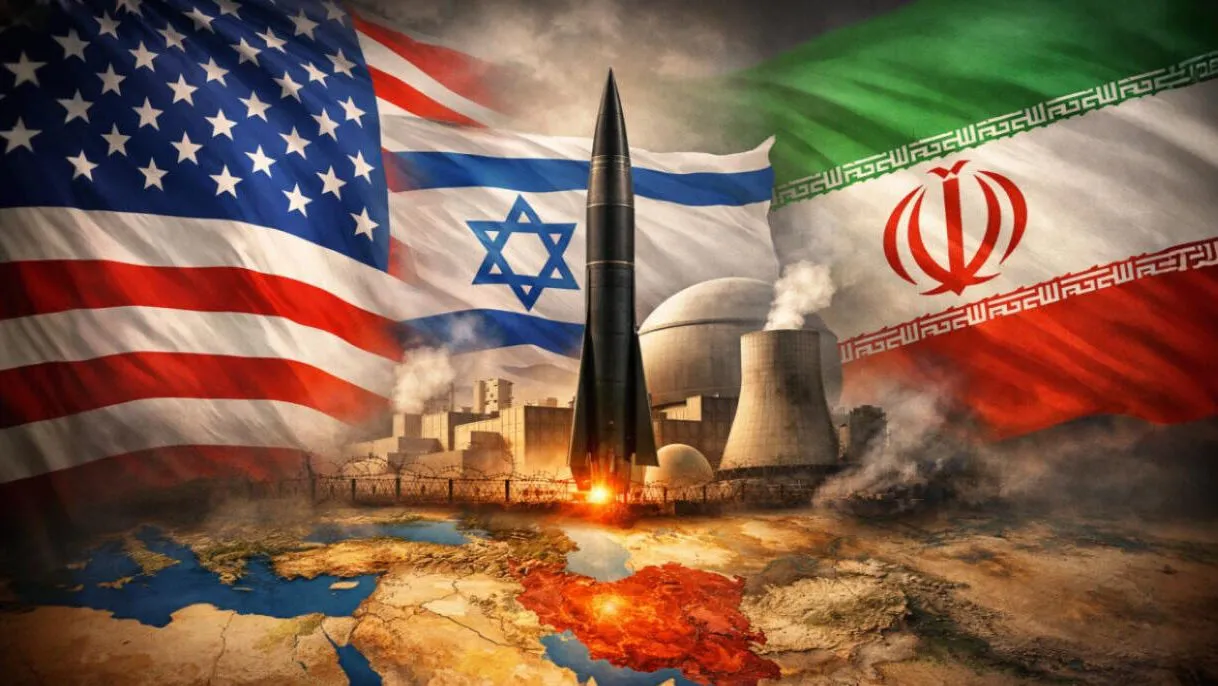
- The “Zero Restraint” Threat: Following the strike on Qatar’s Ras Laffan LNG hub, Iran’s Foreign Minister has vowed “zero restraint” if their infrastructure is hit again, effectively signaling a permanent threat to Gulf energy exports.
- LNG Force Majeure: Major suppliers including QatarEnergy, ADNOC (UAE), and KPC (Kuwait) have declared force majeure, leaving Asian buyers to fight for a dwindling supply of uncommitted cargoes on the spot market.
2. National Responses: The Emergency Measures
Governments from Islamabad to Manila have moved into “energy triage” mode to prevent a total grid collapse:
| Country | Emergency Actions (March 2026) | Vulnerability Level |
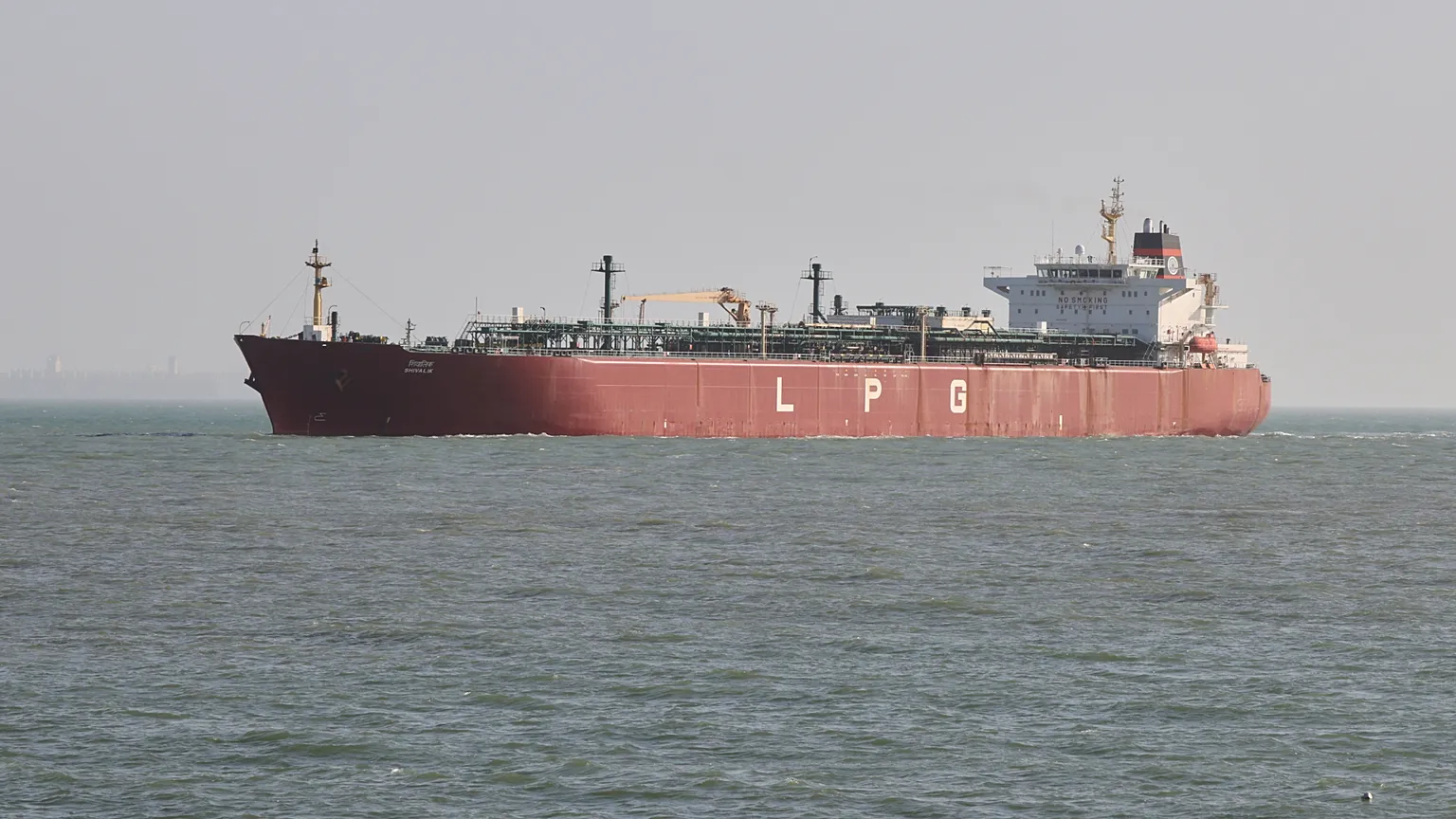
| India | Invoked emergency powers to redirect industrial LPG to households; prioritized Russian Urals crude (expected March 21). | High (88% oil import dependent) |
| Japan | Released an all-time high 45 days of private oil reserves; gas prices hit 175 yen ($1.09)/liter. | Extreme (93% Middle East oil) |
| Pakistan | Schools closed for two weeks; government fuel allowances cut by 50%; Pakistan Day parade canceled. | Severe (Near-total Qatari LNG reliance) |
| Thailand | State agencies moved to a 4-day work week; officials told to “take the stairs” to save electricity. | Moderate (50% electricity from LNG) |
| Philippines | Four-day work week implemented; air conditioning restricted to 24°C (75°F) in government offices. | Moderate |
3. The China “Buffer”
Beijing remains the most insulated of the major powers, though it is far from unscathed.
- Strategic Reserves: China is tapping into its massive 1.4 billion barrel onshore crude stockpile, providing a 120-day buffer.
- The “Yuan Corridor”: Reports suggest Iran is considering allowing cargoes traded in Chinese Yuan to transit the Strait of Hormuz, a move that would prioritize supply to China while directly challenging the US dollar’s dominance.
FN24 Analysis: The Long-Term Pivot
This crisis has exposed a fundamental asymmetry: Asian economies are the primary victims of a war they have little diplomatic power to stop.
- The “Clean Hedge”: Economists at IEEFA note that 1 GW of solar now avoids roughly $3 billion in LNG import costs.
- Stagflation Risk: Investment bank Nomura warns of a “stagflationary shock” across the region—high inflation paired with stagnant growth—as the “lagged” impact of rising insurance and shipping costs begins to hit food prices and manufacturing in April.
Field Note: In Pune, India, the shortage of butane and propane has even led to the suspension of gas-based cremations. This is no longer just a business story; it is affecting the most sacred and basic functions of society.